April 28, 2026
For many homeowners, heating oil remains a reliable and efficient way to maintain a warm and comfortable living space during colder months. However, despite its long-standing use, there are still many questions surrounding how it works, how it is delivered, and what homeowners should expect from service providers. Understanding the essentials of heating oil can help homeowners feel more confident in their decisions and better prepared for seasonal changes. From concerns about efficiency to questions about environmental impact, gaining clarity on this energy source allows homeowners to make informed choices that support both comfort and long-term value.
What Is Heating Oil And How Does It Work?
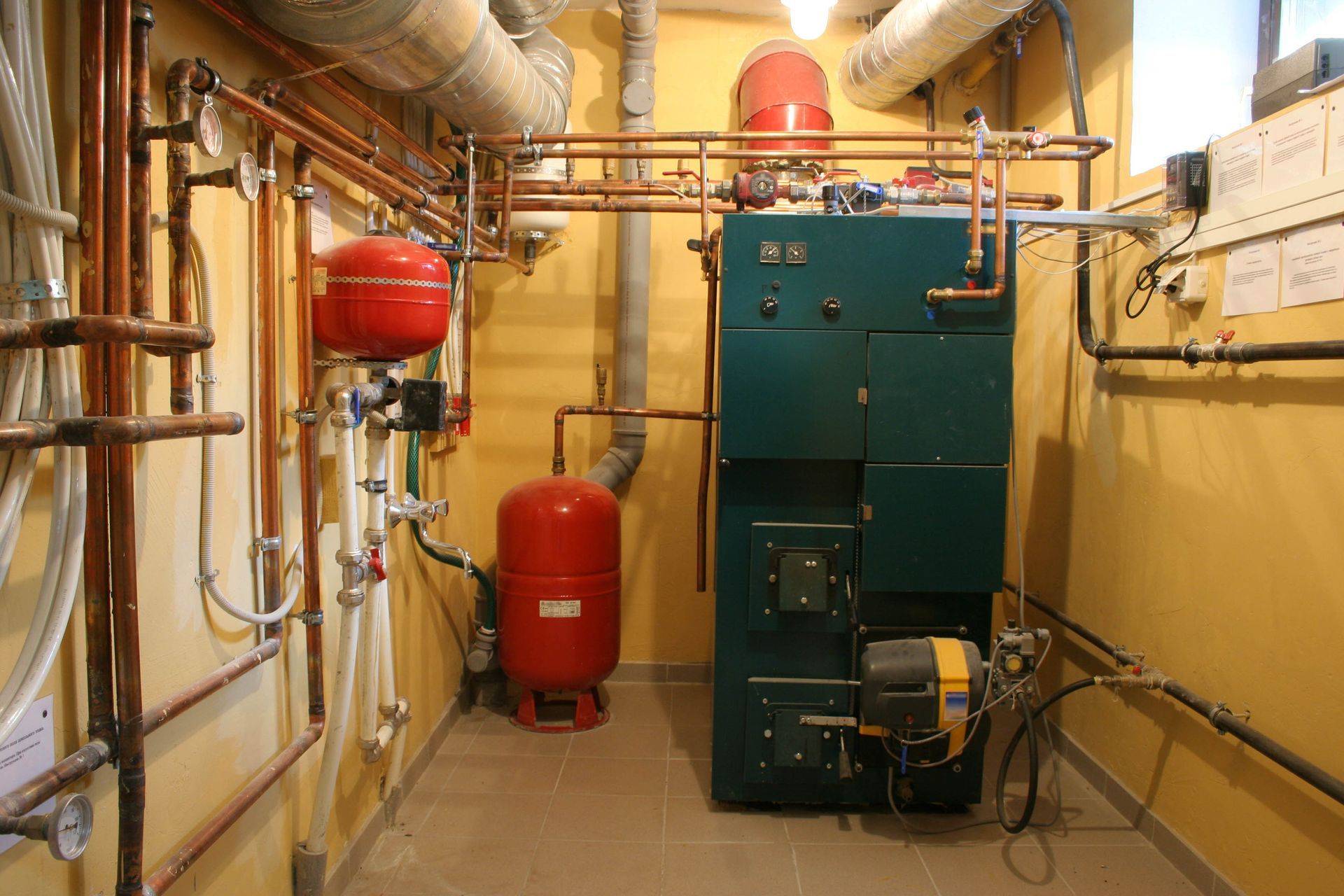
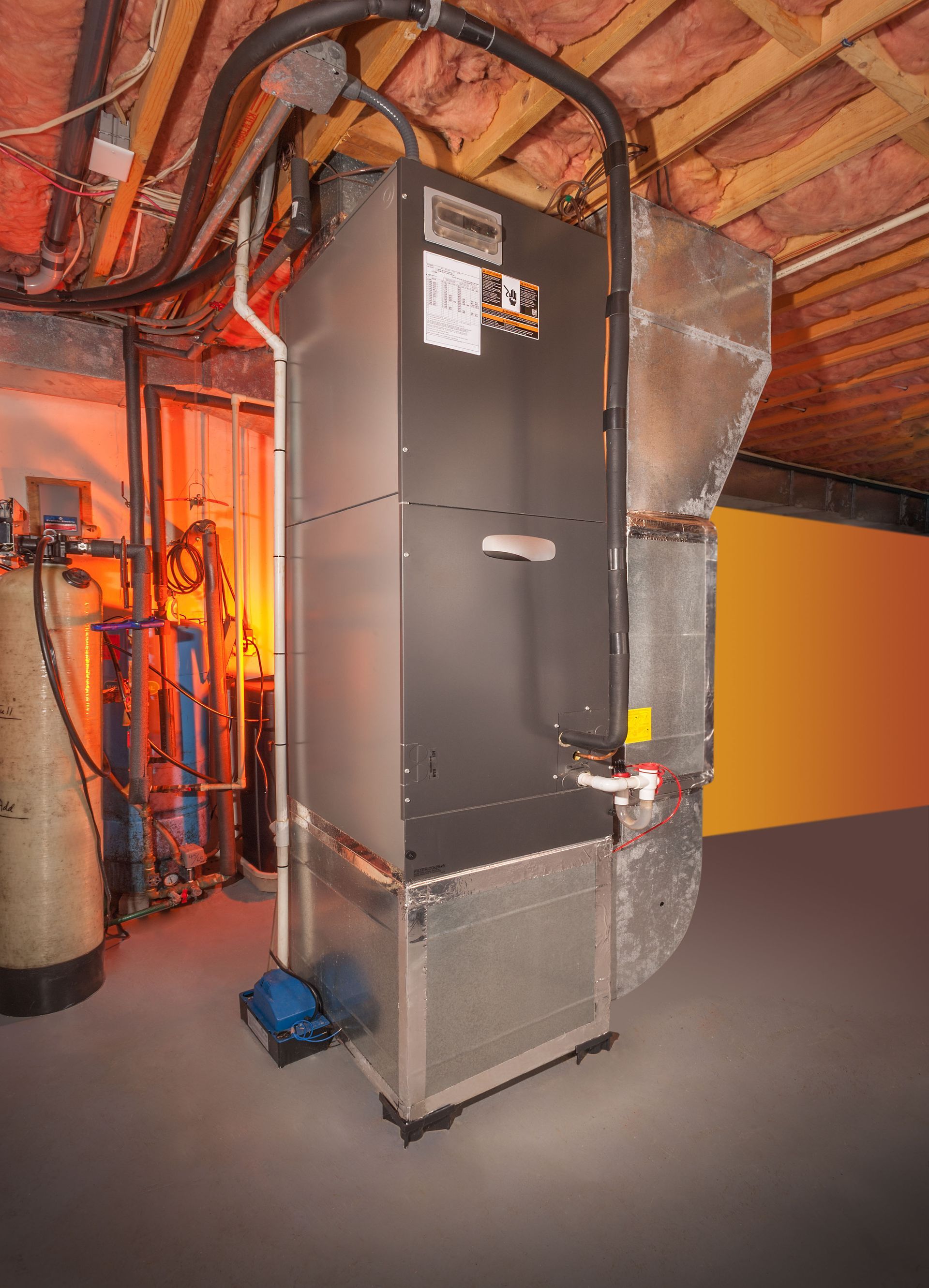
Heating oil is a petroleum-based product commonly used in furnaces and boilers to heat residential spaces. It is stored in a tank on the property and delivered periodically by a professional service provider. Once delivered, the oil is burned within a heating system to generate warmth that circulates throughout the home.
One of the most common questions homeowners have is how heating oil differs from other fuel sources. Compared to alternatives, heating oil is known for its high energy output, which allows it to produce consistent warmth even during colder conditions. This efficiency is one of the main reasons many homeowners continue to rely on it year after year.
Another important aspect is the safety of modern heating oil systems. Today’s equipment is designed with advanced safety features, making it a dependable option when installed and maintained by trained professionals. Understanding these fundamentals helps homeowners feel more at ease with their heating setup and ensures they can recognize the value it brings to their home.
How Efficient Are Heating Oil Systems?
Efficiency is often at the top of homeowners’ concerns when it comes to heating their homes. Heating oil systems are designed to provide strong, steady heat, making them particularly effective in regions where colder weather is more intense.
A key factor in efficiency is how well the system converts fuel into usable heat. Modern heating systems are engineered to maximize this process, helping homeowners get the most out of every delivery. This means that even as temperatures drop, the system continues to perform reliably without excessive fuel consumption.
Another aspect of efficiency involves how evenly heat is distributed throughout the home. Heating oil systems are known for producing a consistent and comfortable indoor environment, which reduces the need for constant adjustments. This stability can contribute to a more enjoyable living experience, especially during extended periods of cold weather.
By understanding how efficiency works in heating oil systems, homeowners can better appreciate the performance benefits and the role professional servicing plays in maintaining those benefits over time.
Is Heating Oil Environmentally Friendly?
Environmental considerations are becoming increasingly important for homeowners, and heating oil is no exception. Many people wonder how this fuel source fits into modern sustainability goals and whether it has evolved to meet current expectations.
In recent years, advancements in fuel composition have introduced cleaner-burning options that help reduce emissions. According to the U.S. Energy Information Administration, while traditional heating oil is derived from crude oil, certain providers now supply an environmentally friendlier mixture that contains 5% biofuel by volume. This development reflects a growing commitment within the industry to provide more sustainable solutions without compromising performance.
Additionally, improvements in heating system technology have contributed to cleaner operation overall. Newer systems are designed to burn fuel more efficiently, which can help minimize environmental impact while maintaining strong heating capabilities.
Understanding these advancements allows homeowners to feel more confident about their choice of heating oil and reassures them that the industry is moving toward more environmentally responsible practices.
How Is Heating Oil Stored And Delivered?
Another common concern among homeowners revolves around how heating oil is stored and delivered. Since the fuel is kept on-site, it is important to understand how storage systems work and what to expect from regular deliveries.
Heating oil is typically stored in a secure tank located either inside the home or in an outdoor area. These tanks are designed to safely hold the fuel until it is needed, and they are built to meet strict safety standards. Proper installation and routine inspections are essential to ensure that the tank remains in good condition over time.
Delivery is handled by trained professionals who monitor usage patterns and schedule refills accordingly. Homeowners may choose automatic delivery services, which help ensure that the tank never runs low. This level of convenience allows homeowners to focus on their daily routines without worrying about managing fuel levels manually.
By understanding the storage and delivery process, homeowners can feel more comfortable with how their heating system operates and trust that their home will remain consistently warm.
Why Is Professional Maintenance Important For Heating Oil Systems?
Maintenance is a key factor in keeping heating oil systems running smoothly. Homeowners often ask what steps are necessary to ensure long-term performance and reliability.
Professional maintenance typically includes inspecting the system, cleaning components, and ensuring that everything is functioning as expected. Regular servicing helps identify potential issues early, preventing larger problems from developing over time. This proactive approach supports both efficiency and safety.
Another important aspect of maintenance is ensuring that the system operates cleanly. Over time, residue can build up within the equipment, which may affect performance if not addressed. Professional technicians have the expertise to handle these tasks effectively, ensuring that the system continues to operate at its best.
Consistent maintenance not only extends the life of the heating system but also provides homeowners with peace of mind, knowing that their home’s heating needs are being handled by experienced professionals.
How Does Heating Oil Compare To Other Heating Options?
Homeowners often compare heating oil with other heating methods to determine which option best suits their needs. Each energy source has its own characteristics, and understanding these differences can help guide decision-making.
Heating oil stands out for its ability to generate high levels of heat, making it particularly effective in colder climates. This capability allows homes to reach comfortable temperatures quickly and maintain them consistently. For many homeowners, this reliability is a major advantage.
In addition, heating oil systems are independent of utility lines, which means they are not affected by interruptions in external supply networks. This independence can provide an added layer of security during times when other energy sources may be less reliable.
While there are various heating options available, heating oil continues to be a strong choice for homeowners who prioritize dependable performance and consistent warmth. Evaluating these factors helps homeowners understand how heating oil fits into their overall home comfort strategy.
What Factors Affect Heating Oil Costs And Usage?
Cost is another important consideration for homeowners using heating oil. Many people want to understand how usage is determined and what factors can influence overall expenses.
Heating oil usage can vary based on several factors, including the size of the home, insulation quality, and outdoor temperatures. Well-insulated homes may retain heat more effectively, reducing the amount of fuel needed to maintain a comfortable environment.
Professional service providers often help homeowners plan for their heating needs by offering guidance on usage patterns and scheduling deliveries accordingly. This support can make it easier to manage fuel consumption without unnecessary stress.
Additionally, modern systems are designed to operate efficiently, which can help homeowners make the most of their heating oil. By focusing on proper system care and working with experienced professionals, homeowners can maintain a balanced approach to comfort and cost management.
Heating oil continues to be a reliable and effective solution for homeowners seeking consistent warmth and dependable performance. By understanding how it works, how it is maintained, and how it compares to other options, homeowners can make informed decisions that support both comfort and long-term value. From efficiency and environmental considerations to storage and delivery processes, having a clear understanding of heating oil helps eliminate uncertainty and ensures a more confident approach to home heating. With the right knowledge and professional support, homeowners can enjoy a comfortable living environment throughout the colder seasons without unnecessary complications.
At G. Cronin & Sons Inc, we are committed to helping homeowners stay comfortable with dependable heating oil services tailored to your needs. Our team takes pride in delivering reliable service, professional care, and consistent support, so we can keep your home warm and running efficiently all season long.