April 1, 2026
Home heating oil remains a popular and efficient heating fuel for millions of households, particularly in the Northeast, where it provides reliable warmth throughout harsh winter months. Despite its widespread use, many homeowners lack essential knowledge about their heating fuel, including how it's priced, how to maximize efficiency, when to schedule deliveries, and how modern systems differ from older equipment. Understanding these critical aspects of oil heat helps homeowners make informed decisions about fuel purchases, system maintenance, and upgrades that can significantly reduce heating costs while improving comfort. The heating industry has evolved substantially over recent decades, with efficiency improvements, cleaner-burning fuels, and advanced equipment that many homeowners don't fully appreciate or understand. Knowledge about how home heating oil works, what affects costs, and how to optimize system performance empowers homeowners to heat their homes more economically while maintaining the comfort their families depend on during cold weather months.
Modern Heating Oil Burns Cleaner Than Ever Before
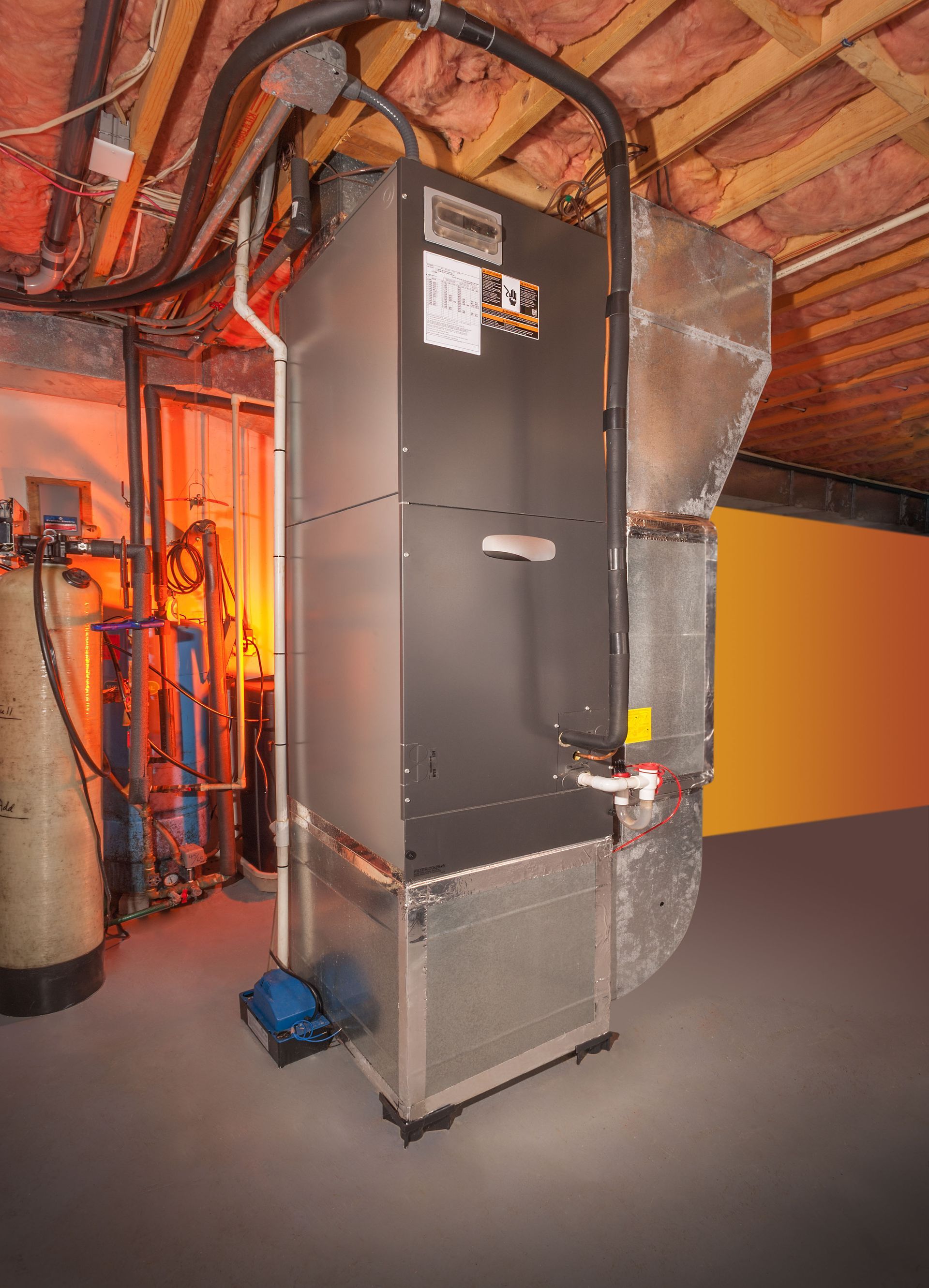
According to Shipley Energy, modern oil furnaces and boilers achieve up to 95% efficiency, a dramatic improvement over older systems that often operated at just 55–65% annual heat utilization efficiency in the 1970s. Today's ultra-low sulfur heating oil produces significantly fewer emissions than fuels from previous decades, making it an environmentally cleaner option than many people realize. Advances in fuel refining have removed most sulfur and other impurities that contributed to soot, odors, and air quality concerns associated with older heating oil formulations. Modern burner technology atomizes fuel more completely, creating more thorough combustion that extracts more heat from every gallon while producing fewer emissions than legacy equipment burning older fuel formulations. Understanding these improvements helps homeowners appreciate that contemporary home heating oil systems bear little resemblance to the smoky, inefficient systems that gave oil heat its outdated reputation among those unfamiliar with modern technology.
Fuel Prices Fluctuate Based on Multiple Market Factors
Heating oil prices vary daily based on crude oil costs, refining capacity, seasonal demand, regional supply, weather forecasts, and global events affecting energy markets beyond any single supplier's control. Companies purchase fuel on wholesale markets where prices change constantly, making it impossible to guarantee stable pricing throughout heating seasons spanning many months. Understanding that suppliers don't set prices arbitrarily but rather respond to market forces helps homeowners recognize that price variations reflect actual cost changes rather than company decisions to charge more or less. Comparing prices between suppliers makes sense, but expecting one company to substantially undercut market prices year-round proves unrealistic, given the commodity nature of fuel that all suppliers purchase from the same wholesale sources at similar costs.
Regular Maintenance Dramatically Improves Efficiency and Reliability
Annual professional maintenance for systems burning home heating oil includes cleaning, adjustments, safety checks, and efficiency testing that prevent breakdowns while optimizing performance and fuel consumption. Neglected systems accumulate soot that reduces heat transfer efficiency, waste fuel through incomplete combustion, and eventually fail during the coldest weather when repair services are most expensive and difficult to schedule. Clean systems burn fuel more completely, transfer heat more effectively, and operate more safely than neglected equipment, translating directly into lower fuel consumption and avoided emergency service calls. The modest annual investment in professional maintenance typically pays for itself through improved efficiency while preventing the costly emergency repairs and uncomfortable breakdowns that deferred maintenance inevitably causes during peak heating season.
Tank Monitoring Prevents Costly Run-Outs
Running out of heating fuel creates serious problems, including frozen pipes, system damage from air in fuel lines, and emergency delivery charges that substantially exceed the costs of timely scheduled deliveries. Automatic delivery programs based on degree days and consumption history prevent run-outs by scheduling deliveries before tanks empty, eliminating the need for homeowners to monitor levels constantly. For households preferring will-call ordering, checking tank gauges weekly, and ordering when levels reach one-quarter full provides adequate lead time for scheduled deliveries without emergency premiums. Modern tank monitors provide electronic alerts when fuel levels drop to predetermined thresholds, offering convenient alternatives to manual gauge checking for households using home heating oil as their primary heating fuel throughout the winter months.
Equipment Upgrades Offer Substantial Long-Term Savings
Replacing aging, inefficient equipment with modern high-efficiency furnaces or boilers can reduce fuel consumption by 30 to 40 percent, creating substantial savings that accumulate over equipment lifespans spanning decades. While new equipment requires significant upfront investment, the cumulative fuel savings over 20 or more years of operation typically exceed equipment costs many times over, particularly when replacing very old systems. Modern equipment also operates more quietly, heats more evenly, and offers better temperature control than legacy systems, improving comfort beyond just the economic benefits that efficiency improvements provide. Understanding the long-term value proposition helps homeowners evaluate whether continuing to operate aging, inefficient equipment makes economic sense compared to investing in modern systems that deliver immediate and ongoing operational savings.
Proper Fuel Storage and Tank Maintenance Prevent Problems
Heating oil tanks require periodic inspection for leaks, corrosion, water accumulation, and sediment buildup that can cause delivery problems, equipment damage, and expensive environmental remediation if leaks develop. Indoor tanks generally last longer than outdoor installations exposed to weather, but all tanks eventually require replacement as they age and corrosion compromises structural integrity. Water condensation in tanks can freeze in fuel lines during cold weather, causing delivery problems and equipment shutdowns until lines thaw and water is removed from systems. Regular tank inspections identify developing problems before they cause failures, allowing planned replacement during off-season periods when scheduling and costs prove more favorable than emergency situations during heating season, when tank failures create immediate crises.
Budget Payment Plans Smooth Seasonal Cost Variations
Home heating oil costs concentrate heavily in winter months, creating cash flow challenges for households that must pay hundreds or even thousands of dollars for fuel deliveries during short periods. Budget plans spread annual fuel costs across 11 or 12 equal monthly payments, making expenses more predictable and manageable rather than creating large, irregular bills that strain household finances. These plans typically review usage annually and adjust payment amounts, ensuring accounts remain balanced rather than building large credits or deficits over multiple years of changing consumption. Understanding that budget plans don't reduce total costs but rather spread them more evenly helps homeowners decide whether payment convenience justifies the administrative requirements that such programs involve, compared to paying for individual deliveries as they occur.
Blended Biofuels Reduce Environmental Impact
Many suppliers now offer biofuel blends mixing traditional heating oil with renewable fuels derived from plant materials, recycled oils, and other sustainable sources, reducing petroleum dependence. These blends, commonly called Bioheat, burn even cleaner than standard ultra-low sulfur heating oil, further reducing emissions and environmental impact from home heating systems. Higher percentage blends offer greater environmental benefits, though they may cost slightly more than standard fuels, depending on feedstock availability and market conditions affecting biofuel production costs. Households prioritizing environmental responsibility can choose these renewable blends, knowing they're reducing their carbon footprint while still receiving the reliable heating performance that home heating oil has provided for generations of satisfied users in cold climate regions.
Understanding these essential aspects of heating oil and modern heating equipment helps homeowners make informed decisions about fuel purchases, system maintenance, equipment upgrades, and practices that reduce costs while maintaining comfort throughout heating seasons. The knowledge that industry professionals possess about efficiency, pricing, maintenance, and technology can help customers optimize their heating systems and fuel consumption for better performance and lower costs. Staying informed about developments in heating technology, fuel formulations, and best practices ensures homeowners get maximum value from their heating investments while maintaining the reliable warmth their households depend on during cold weather months. Whether you need heating oil, heating system evaluation and installation, oil tank installation, furnace and boiler services, water heater services, or 24/7 heating services, G. Cronin & Sons Inc provides 24/7 emergency heating service, early payment discounts for oil deliveries, and a one-year installation workmanship warranty. For more information, contact us today!